
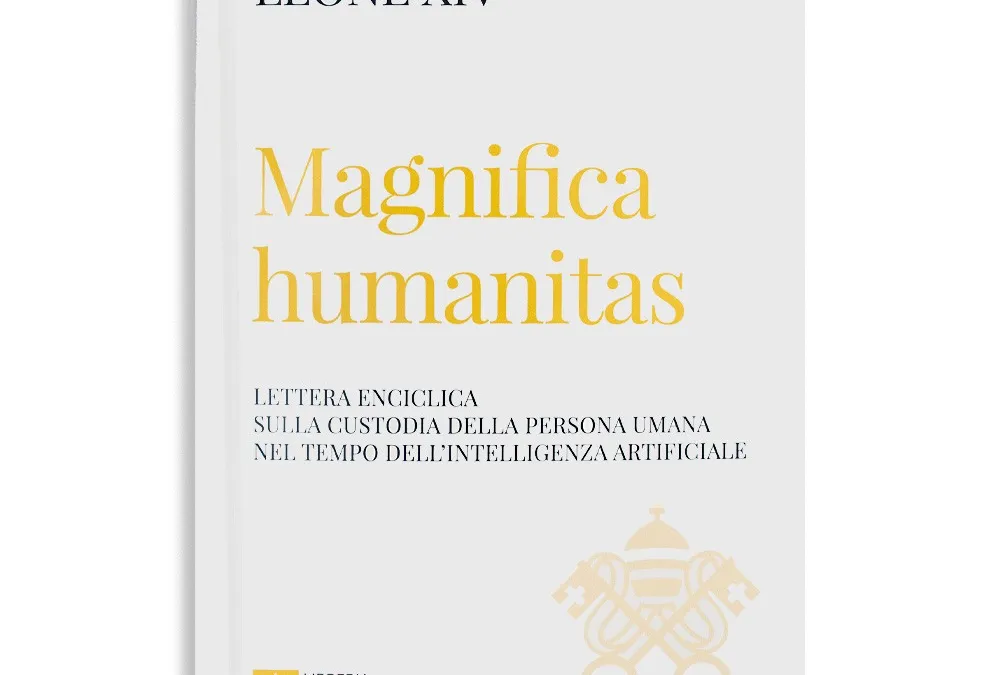
 At least for me, Pope Leo XIV’s recent encyclical does little to resolve doubts about how Catholic social teaching should be interpreted and understood.
But I should explain my doubts.
In its modern form, social teaching started with concerns about workers’ problems in industrial society. Since then, its concerns have broadened enormously, and they now include the integral human development of everyone in the world, together with respect and protection for the natural setting on which human life depends.
The basis for doing so seems incontestable: man is a social being, and the point of social life is facilitating human goods. It follows that institutions that affect everyone should advance the common good, emphatically including the good of people who are in a weak position to advance their own interests.
But its extraordinarily broad scope means that it cannot tell us much that’s definite. Goods conflict, and our understanding of how to achieve and balance them is weak. So determining and advancing the common good involves a great many considerations that are ambiguous or point in different directions. Each of us has his own opinion, some better founded than others, but each is subject to legitimate objections.
Read more CWR